
How to Handle Hydroplaning: Tips for Safe Driving
When you experience hydroplaning, stay calm and avoid sudden movements that could worsen control. Gently steer and ease off the accelerator to help regain traction.
Driving in the rain can be nerve-wracking, but nothing is more frightening than the sudden loss of control known as hydroplaning.
It happens when a layer of water builds up between your tires and the road surface, causing your vehicle to skid uncontrollably. In an instant, you are no longer driving; you are water-skiing.
This dangerous situation can catch even the most experienced drivers by surprise, and how you react in those first few seconds is critical. Panic is a typical response, but it is also the most dangerous one.
The key to safely navigating a hydroplaning event is to stay calm and know what to do before it happens.
This guide will teach you how to recognize the conditions that cause hydroplaning, what actions to take if it happens to you, and how to prevent it from occurring in the first place.

Hydroplaning occurs when your vehicle’s tires lose contact with the road due to a layer of water. This often happens at higher speeds and can be influenced by the condition of your tires and the weight of your vehicle.
Road design can also play a role, making it essential to understand these factors to stay safe on wet surfaces.
When driving on wet roads, several factors can contribute to hydroplaning, including water accumulation, your speed, and the condition of your tires.
To reduce your risk and learn how to avoid hydroplaning on the highway, keep these points in mind:
Several other factors also influence the likelihood of hydroplaning, including vehicle weight and road design.
Heavier vehicles can push down harder on the road, which might seem beneficial, but they can also create a larger surface area for water to accumulate beneath the tires. If the road is poorly designed, with less drainage or uneven surfaces, it can exacerbate the problem.
To deal with hydroplaning effectively, you should guarantee your vehicle is appropriately weighted and opt for well-maintained roads.
So, what should you do to avoid hydroplaning? Keep your tires properly inflated, maintain good tread, and drive at safe speeds during wet conditions.
Awareness of these factors can help you navigate safely through rainy weather.
When you find yourself hydroplaning, staying calm is essential. Avoid making sudden movements; instead, gently steer and ease off the accelerator.
This controlled approach can help you regain traction and maintain control of your vehicle.
Hydroplaning can be a frightening experience, but staying calm is essential to regaining control of your vehicle. Panic can lead to sudden movements that worsen the situation. Here are some safe driving tips to keep in mind:
As you feel your vehicle start to hydroplane, it’s crucial to steer gently and ease off the accelerator.
Sudden movements can worsen the situation, so keep your hands steady on the wheel. When hydroplaning, you may feel a loss of traction, and your tires could skim over the water.
To regain control, focus on what to do if you start hydroplaning: let the vehicle slow down naturally without slamming the brakes. As your speed decreases, the tires will begin to make contact with the road again.
Remember, knowing how to handle hydroplaning can make all the difference in maintaining control and ensuring safety.
Stay calm, and trust your instincts as you navigate through this challenging situation.
To reduce the risk of hydroplaning, it’s vital to keep an eye on your tire tread and pressure. Properly maintained tires help guarantee better traction on wet surfaces.
Additionally, adjusting your speed in rainy or slippery conditions can considerably enhance your control on the road.
Proper tire tread and pressure are essential for maintaining control on wet roads and reducing the risk of hydroplaning.
To verify your tires are in prime condition, focus on these key aspects:
Maintaining the right tire tread and pressure sets the foundation for safe driving, but adjusting your speed is just as important when maneuvering wet or slippery conditions.
When roads are slick, reduce your speed considerably to minimize the risk of hydroplaning. Remember that driving too fast increases your chances of losing traction. If you find yourself in a hydroplaning situation, remember what to do when hydroplaning: avoid sudden movements and gradually ease off the accelerator. Steer straight and gently regain control of your vehicle.
This way, you’ll be better equipped to handle how to control a hydroplaning car. Always stay alert and adjust your speed according to the weather to guarantee your safety on the road.
For wet conditions, you’ll want tires with deep treads and grooves to channel water away effectively.
Look for all-season or specialized wet-weather tires; they’ll provide better grip and reduce the risk of hydroplaning.
How can you tell if your tires need replacement? Look for tread wear indicators, check for uneven wear, and listen for unusual noises.
If you’re unsure, a quick inspection by a professional can offer peace of mind.
Yes, hydroplaning’s more common during heavy rain or when roads are wet. It’s crucial to watch for standing water and guarantee your tires have good tread to minimize the risk in those conditions.
If your brakes fail while hydroplaning, don’t panic. Steer gently in the direction you want to go, lift your foot off the accelerator, and avoid sudden movements.
Stay calm; it helps maintain control during the situation.
Hydroplaning itself usually doesn’t cause long-term damage, but if it leads to collisions or excessive tire wear, you might face issues.
Regular maintenance can help minimize any potential damage from such incidents.
There is no exact speed at which hydroplaning begins, as it depends on a combination of factors, including water depth, tire condition, and vehicle weight.
However, it can start at speeds as low as 35 miles per hour. As your speed increases, the risk of hydroplaning grows significantly because your tires have less time to channel water away from the tread.
By the time you reach 55 mph, the tires may be lifted entirely off the road surface by the water pressure.
For drivers in Grand Rapids, MI and surrounding areas where wet conditions are common, the best way to avoid hydroplaning is to slow down as soon as you see standing water on the road.
Reducing your speed gives your tires a much better chance to maintain contact with the pavement, ensuring you stay in control of your vehicle.
Hydroplaning can be a disorienting experience, and it often feels like the car is floating or gliding.
The most immediate sensation is a sudden lightness or looseness in the steering wheel, as if it has become disconnected from the road. You may also notice a slight fishtailing motion from the rear of the car as it loses traction.
In some cases, the engine RPMs might suddenly jump, similar to when you are stuck in snow or mud, because the wheels are spinning freely in the water instead of gripping the road.
It is a moment of complete loss of control that can be very alarming. Recognizing these feelings is the first step to reacting correctly and safely, which means staying calm and avoiding any sudden inputs to the steering or brakes.
Handling a hydroplaning situation is all about staying calm and making smooth, deliberate movements.
Now that you know what to do—and what not to do—you are better prepared to face wet roads with confidence. The most effective way to deal with hydroplaning is to prevent it from happening in the first place.
By maintaining your tires and adjusting your speed to match the conditions, you can significantly reduce your risk of losing control. Driving is an activity that demands your full attention, especially when the weather is less than ideal.
Always prioritize safety, stay vigilant, and remember that a cautious approach is your best tool for a safe journey. When in doubt, slowing down is always the right call.
For tire inspections and maintenance, trust Real Pro Auto Service.
When you experience hydroplaning, stay calm and avoid sudden movements that could worsen control. Gently steer and ease off the accelerator to help regain traction.

To safeguard your car against theft, always lock your doors and remove your keys. Don’t leave a spare key near the vehicle, and always close the windows.

Defensive driving is essential for your safety on the road. By anticipating potential hazards and staying aware of your surroundings, you’ll avoid accidents and make proactive choices.
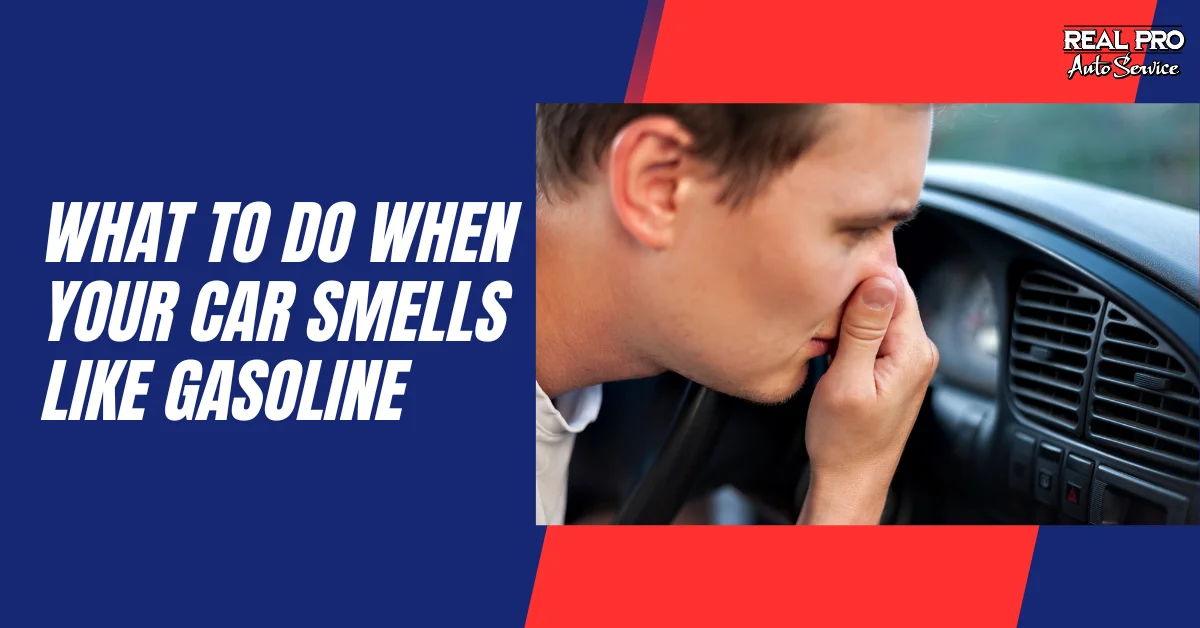
If your car smells like gasoline, don’t ignore it! This smell usually means there’s a fuel leak, which can be dangerous. Check for puddles or stains under your vehicle, and inspect the gas cap for damage.

To safely navigate potholes and rough roads, slow down and spot hazards early. If you can’t avoid a pothole, keep your tires straight and slightly lift off the accelerator.
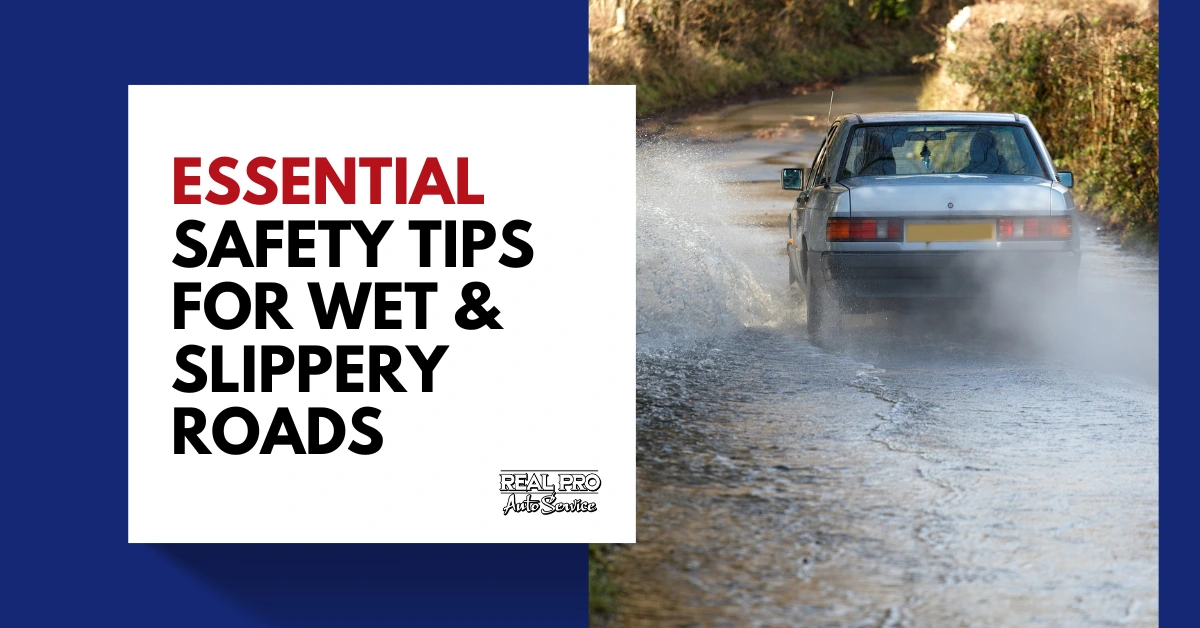
To drive safely in wet or slippery conditions, slow down by at least 10 mph and maintain a three-second gap between you and the vehicle ahead. Choose tires with good tread for better traction and keep them well-maintained.

To drive with a full load safely, check your vehicle’s payload capacity in the owner’s manual. Distribute weight evenly by placing heavier items low and centered. Always secure your cargo to prevent shifting during transit. Adjust tire pressure according to the added load for better stability and control.